
Walking past a clinic window in Mayfair or Marylebone, you might catch yourself wondering what an anti-wrinkle appointment actually involves. The treatment has become so common in the capital that some people slot it into a Tuesday lunch break, the way others book a haircut. Still, getting Botox in London for the first time can feel like stepping into unfamiliar territory if you have never spoken to an injector before.
A lot of the worry, perhaps, comes from not knowing what to ask. Before booking Botox in London, you should get a clear sense of what the injections do, what they will not do, and what separates a safe practitioner from a risky one. The treatment uses small doses of botulinum toxin type A to relax targeted facial muscles. When the muscle stops contracting as strongly, the lines sitting above it tend to soften over the following days.
What Botox in London Actually Treats
Most first-timers come in asking about three zones for botox: forehead lines, frown lines between the brows, and the fine fan of creases around the eyes that show when you smile. These are the classic upper face areas where the treatment performs well, mostly because the muscles there create expression lines through repeated movement.
Some people also ask about lip flips, gummy smiles, jaw slimming for teeth grinding, and underarm sweating. These are off-label uses in the UK and need an injector who has trained in those applications. You probably want someone with documented experience in the area you care about, not someone who started offering it last month.
Products Licensed for Use in the UK
Real Botox, the branded product made by Allergan, is one of several botulinum toxin brands licensed in the UK. Others include Bocouture, Azzalure, Letybo, and Alluzience. A good clinic should tell you which one they use and why. Each behaves slightly differently around onset and duration, though the differences are smaller than marketing might suggest.
See also: The Role of 5G in Data-Driven Services
Choosing a Safe Injector
This is the part that matters more than anything else. The UK does not yet require a medical licence to inject anti-wrinkle products, though new rules are coming through Parliament that aim to change that. For now, the responsibility falls on you to check the credentials of whoever is holding the needle.
Look for:
- GMC registration if the injector is a doctor
- NMC registration for nurses
- GDC registration for dentists
- Insurance cover for aesthetic procedures
- A proper face-to-face consultation, not a five-minute chat at the chair
- Clean premises with sharps disposal and emergency provision
A careful injector will examine your face at rest and in motion. They will ask about your medical history, current medications, allergies, and any past treatments. If anyone offers to inject you at a house party or above a nail salon with no consultation, you should probably walk back out.
What the Appointment Itself Is Like
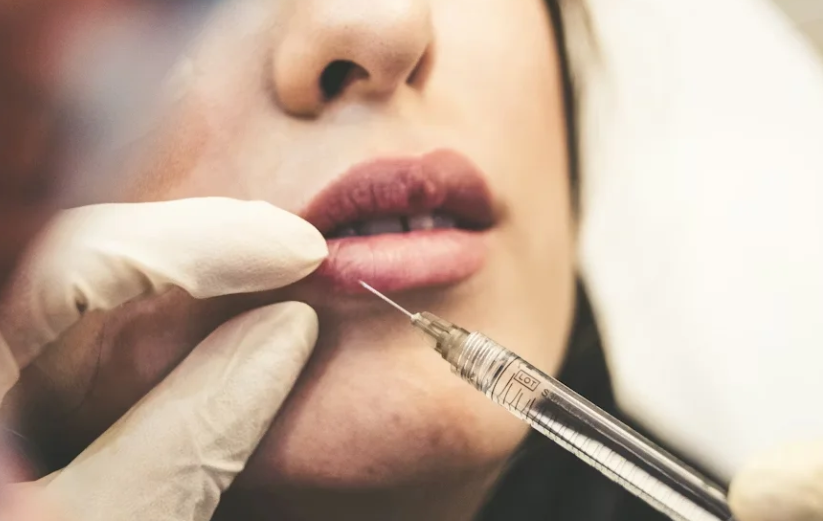
The consultation usually takes longer than the injections themselves. You sit down, talk through what bothers you, and the injector watches how your face moves when you raise your brows, frown, and smile. Then they mark small dots on your skin with a white pencil, clean the area, and inject. The pinches are quick. Some people barely flinch. Others say it feels like a small sting followed by a brief pressure.
The whole thing takes about ten to fifteen minutes once the assessment is done.
Results Timing and the Adjustment Period
You will not walk out looking different. The product needs time to bind to the nerve endings and stop the muscle from firing. Most people see a softening at around four to seven days, with the full result settling in by about two weeks.
Results last roughly three to four months for most people, though that varies depending on your metabolism, the dose used, and how active the treated muscles are. Heavy gym users sometimes report shorter duration. The research on that is patchy, though it comes up often.
The bit nobody warns you about, perhaps, is the small adjustment period. The first time your forehead does not move the way it used to can feel slightly odd. Most people stop noticing inside a fortnight.
When to Skip or Postpone Treatment
Skip the appointment if you are pregnant, breastfeeding, unwell with a fever, or have an active skin infection in the treatment area. Push it back if you have a big event in the next two weeks, since light bruising can happen and the result has not yet settled.
If you have ever reacted to botulinum toxin before or you have a neuromuscular condition, mention it before booking. A careful injector will refuse to treat in those situations, which is exactly what you want them to do. The right first appointment is the one where the practitioner spends more time looking at your face than at the clock.

 By
By