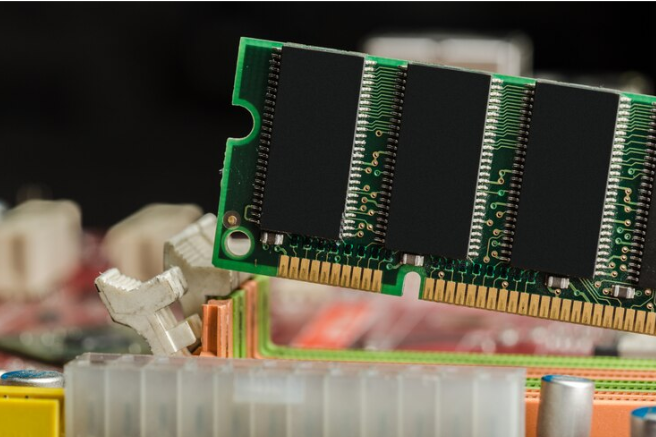

Artificial intelligence, virtualisation, cloud computing, and high-performance applications are changing how businesses manage their IT environments. Modern servers must process larger workloads, support more users, and handle increasing amounts of data without sacrificing reliability. This is why choosing the right Server memory supplier has become an important part of long-term infrastructure planning.
Businesses need memory solutions that deliver compatibility, stability, and consistent performance across enterprise environments. Ram Exchange helps organisations source dependable server memory that supports demanding workloads while making infrastructure upgrades simpler and more efficient. Whether expanding an existing server environment or preparing for future technologies, selecting the right memory can make a significant difference.
Why Server Memory Matters More Than Ever
Today’s business applications place greater demands on hardware than ever before. From AI-powered analytics to large databases and virtual machines, server memory directly affects how efficiently systems perform.
When servers have the right amount of compatible memory, they can:
- Process multiple workloads smoothly.
- Improve application responsiveness.
- Support virtualisation more efficiently.
- Reduce system bottlenecks.
- Enhance overall business productivity.
As organisations continue to adopt digital transformation strategies, memory has become a critical component rather than just another hardware upgrade.
See also: Your sildenafil “plan”: what you’re actually paying for
The Growing Demand for Enterprise Memory Solutions
Businesses are expanding their digital capabilities across almost every industry. Data processing requirements continue to grow as organisations adopt cloud services, artificial intelligence, machine learning, and advanced cybersecurity tools.
Modern enterprise environments often require:
- Higher memory capacities.
- Greater reliability under continuous workloads.
- Improved compatibility with existing hardware.
- Scalable upgrade options.
- Consistent long-term performance.
These changing requirements make it increasingly important to work with an experienced supplier that understands enterprise hardware compatibility.
Key Features to Look for in Server Memory
Not all server memory is designed for enterprise workloads. Selecting the right modules involves much more than matching capacity.
Compatibility
Memory should match your server manufacturer, processor generation, motherboard specifications, and operating environment. Incompatible memory can create stability issues or prevent servers from functioning correctly.
Reliability
Enterprise servers often operate continuously, making reliability one of the most important considerations. High-quality server memory helps minimise unexpected interruptions and supports consistent system performance.
Error Correction
Many enterprise environments rely on ECC (Error Correcting Code) memory, which helps detect and correct data errors automatically. This improves system stability, particularly during heavy workloads.
Scalability
Business requirements rarely remain static. Choosing memory that supports future expansion allows organisations to upgrade systems without replacing their entire infrastructure.
How AI Is Increasing Memory Requirements
Artificial intelligence has become one of the biggest drivers of server hardware upgrades. AI applications process enormous datasets while running complex algorithms that demand substantial memory resources.
Some common AI workloads include:
- Predictive analytics.
- Natural language processing.
- Image recognition.
- Machine learning model training.
- Business intelligence platforms.
These applications require servers to manage large amounts of information simultaneously. Memory capacity plays a direct role in maintaining processing efficiency and reducing performance limitations. mBusinesses investing in AI infrastructure increasingly prioritise memory upgrades alongside processor and storage improvements.
Why Compatibility Is Just as Important as Capacity
Adding more memory does not automatically improve server performance if compatibility is overlooked.
Several factors influence successful upgrades:
- Memory speed.
- Generation compatibility.
- Voltage requirements.
- Registered or unbuffered configuration.
- ECC support.
- Maximum supported capacity.
Working with experienced providers such as Ram Exchange helps organisations identify memory that aligns with manufacturer specifications while reducing compatibility risks.
Supporting Virtualisation and Cloud Environments
Virtualisation allows multiple operating systems and applications to run on a single physical server. While this improves resource utilisation, it also significantly increases memory requirements.
Insufficient memory may lead to:
- Reduced virtual machine performance.
- Increased resource contention.
- Slower application response.
- Higher system instability.
- Limited scalability.
Cloud-based infrastructure also relies heavily on available memory to maintain service availability and consistent performance across multiple workloads.
Signs Your Server May Need a Memory Upgrade
Many organisations continue using servers that perform adequately for basic workloads but struggle as business demands increase.
Common indicators include:
- Applications taking longer to load.
- Virtual machines running slowly.
- Increased server resource utilisation.
- Reduced multitasking capability.
- Frequent performance bottlenecks.
- Difficulty supporting newer software platforms.
Recognising these signs early allows businesses to improve performance before productivity is affected.
The Importance of Quality Assurance
Enterprise hardware must operate reliably under demanding conditions. Choosing thoroughly tested server memory helps reduce deployment risks while supporting long-term stability.
Reliable suppliers typically focus on:
- Strict compatibility verification.
- Quality testing procedures.
- Enterprise-grade components.
- Manufacturer specification compliance.
- Consistent inventory availability.
These factors provide confidence when upgrading production environments where downtime is not an option.
Sustainability Through Hardware Upgrades
Many organisations are extending the life of existing infrastructure rather than replacing complete server systems. Upgrading memory provides an effective way to improve performance while supporting sustainability goals.
Benefits include:
- Better utilisation of current hardware.
- Reduced electronic waste.
- Improved operational efficiency.
- Greater return on infrastructure investments.
- Simplified upgrade planning.
This approach allows businesses to enhance performance while making more responsible technology decisions.
Building a Future-Ready Infrastructure Strategy
Technology continues evolving rapidly, making flexibility increasingly valuable. Businesses that plan infrastructure upgrades carefully are better positioned to support future applications without major disruptions.
A well-planned memory strategy should consider:
- Business growth expectations.
- Application performance requirements.
- Expansion opportunities.
- Hardware lifecycle management.
- Future compatibility.
Taking a proactive approach helps organisations adapt more easily as workloads become increasingly demanding.
Choosing a Trusted Technology Partner
Selecting memory involves more than comparing technical specifications. Businesses also benefit from knowledgeable guidance that simplifies purchasing decisions and ensures hardware compatibility.
An experienced technology partner can assist with:
- Product selection.
- Compatibility verification.
- Enterprise hardware recommendations.
- Upgrade planning.
- Ongoing infrastructure support.
Working with specialists allows IT teams to make informed decisions that align with operational objectives while reducing uncertainty during hardware upgrades.
Conclusion
As organisations continue adopting artificial intelligence, cloud computing, and increasingly data-driven applications, server memory has become one of the most important components of enterprise infrastructure. Choosing compatible, reliable memory supports system stability, improves workload performance, and creates greater flexibility for future growth. Whether upgrading existing hardware or preparing new deployments, investing in quality enterprise memory helps organisations maximise the value of their infrastructure. Ram Exchange provides dependable server memory solutions backed by technical expertise to help businesses make confident upgrade decisions. Contact us today to discover memory solutions designed to support your organisation’s evolving technology needs.


 By
By